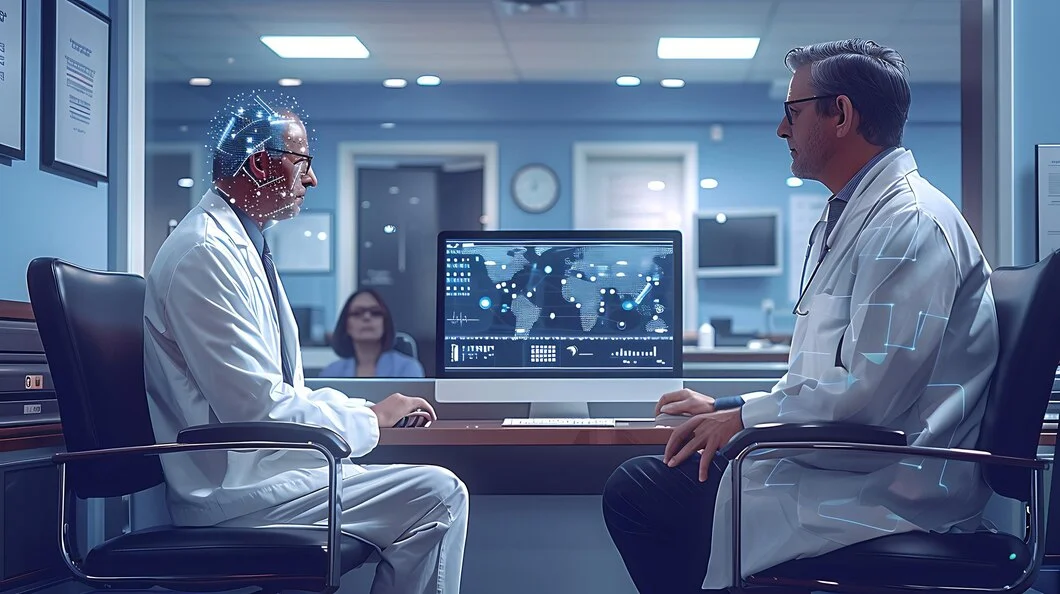
Diag Image technology stands as one of the most crucial innovations in modern healthcare. It allows clinicians to peer inside the human body with unmatched precision, improving diagnostic accuracy, patient outcomes, and workflow efficiency. With rapid advances in digital imaging, AI integration, and 3D visualization, Diag Image systems are reshaping how healthcare professionals detect, monitor, and treat diseases.
Recent studies show that over 12 million Americans experience diagnostic errors each year, many of which could be prevented with advanced imaging. Diag Image solutions empower radiologists and clinicians to make faster, more accurate diagnoses — minimizing errors and enhancing patient care through intelligent imaging systems.
Understanding Diag Image Technology
Diag Image, or diagnostic imaging, refers to a range of technologies used to create visual representations of the body’s internal structures. These systems provide a non-invasive window into the body, helping clinicians diagnose and monitor various medical conditions.
The Diag Image platform combines imaging hardware, digital systems, and software that deliver sharp, high-quality visuals of tissues, organs, and bones. Doctors use these insights to identify abnormalities, plan surgeries, and track disease progression.
LSI Keywords: diagnostic imaging technology, healthcare diagnostics, medical imaging systems, Diag image platform.
Common Diag Imaging Modalities
- X-rays:
Use electromagnetic rays to capture images of bones and internal tissues. Commonly used to detect fractures, infections, and tumors. - CT Scans (Computed Tomography):
Combines multiple X-ray angles to create cross-sectional images of the body. Ideal for diagnosing cancer, cardiovascular disease, and traumatic injuries. - Magnetic Resonance Imaging (MRI):
Employs magnetic fields and radio waves to visualize soft tissues, joints, and the brain. It’s particularly useful for neurological and musculoskeletal conditions. - Ultrasound:
Uses high-frequency sound waves to generate live images. Commonly used in pregnancy monitoring, cardiac assessments, and abdominal exams. - PET Scans (Positron Emission Tomography):
Involves injecting a small amount of radioactive tracer to detect high chemical activity — crucial in oncology and neurology.
Related Keywords: diagnostic tests, MRI scans, CT imaging, ultrasound imaging, PET scan uses, radiology technology.
How Diag Imaging Empowers Early and Accurate Diagnoses
Imagine a patient experiencing persistent headaches. A doctor orders an MRI Diag Image, revealing a small lesion that might indicate a tumor or aneurysm — detected early before becoming life-threatening.
Precision Meets Speed
In critical conditions like strokes, every second counts. Diag Image systems identify clots or bleeds within minutes, allowing immediate treatment.
Minimally Invasive but Deeply Insightful
Before modern imaging, exploratory surgery was often necessary. Diag imaging now provides comparable internal clarity without surgical risk — offering faster recovery and peace of mind.
Advanced Visualization and Measurement Tools
Diag Image systems offer measurement instruments like goniometry, zoom, inversion, and high-resolution processing. These features improve diagnostic confidence across various specialties.
Related Keywords: early diagnosis, radiology workflow, healthcare technology, digital imaging accuracy, AI diagnostics.
The Technology Powering Diag Image Systems
At first glance, a Diag Image system might appear simple — a machine taking an image. However, beneath that simplicity lies a complex network of AI algorithms, digital imaging, and data analytics.
Digital Imaging and Artificial Intelligence
Modern Diag imaging is fully digital, allowing storage, enhancement, and sharing across healthcare systems. AI integration detects abnormalities (like lung nodules, tumors, or fractures) faster than ever before.
According to a 2020 study published in The Lancet Digital Health, AI matched or even outperformed radiologists in breast cancer detection.
3D Imaging and Reconstruction
Diag Image now supports 3D visualization, allowing clinicians to rotate, zoom, and simulate surgical planning based on patient anatomy. This is invaluable for orthopedic, cardiovascular, and oncological procedures.
Related Keywords: 3D imaging, AI in healthcare, medical visualization, radiology software, intelligent imaging systems.
The Role of Diag Image Centres in Healthcare Access
Across the U.S. and worldwide, Diag imaging centers have become essential hubs for patient care. These facilities offer specialized imaging tests with shorter wait times and focused expertise compared to hospitals.
What to Expect at a Diag Imaging Centre:
- Quick registration and health screening
Guided imaging procedure by trained radiologists
- Results shared digitally with your physician
- Access to online patient portals for reports
This approach enhances transparency, accessibility, and patient empowerment.
Related Keywords: imaging centers near me, radiology clinics, diagnostic healthcare, outpatient imaging services.
Real-Life Applications of Diag Image Technology
Cancer Screening and Monitoring
Mammograms, MRIs, and PET-CT scans detect tumors early and help track treatment effectiveness.
Cardiology
CT angiography identifies blocked arteries non-invasively. Echocardiograms assess heart performance and detect heart disease.
Orthopedic Imaging
CT and MRI scans visualize ligaments, spinal cord injuries, and cartilage damage, supporting surgical planning.
Neurology
Functional MRI (fMRI) maps brain activity and detects strokes, MS, and tumors.
Related Keywords: cancer diagnostics, cardiac imaging, neurological scans, orthopedic imaging, PET-CT, medical innovation.
Challenges and the Future of Diag Image Technology
While Diag Image continues to evolve, challenges remain:
- Cost and Insurance: Advanced scans like PET or MRI can be expensive.
- Radiation Exposure: X-rays and CT scans emit small radiation doses, requiring careful management.
- AI Bias: Algorithms must be trained on diverse datasets to ensure accurate results across all populations.
Despite these challenges, Diag Image technology’s future looks bright. With AI, 3D reconstruction, and improved access, it will continue revolutionizing diagnosis and treatment worldwide
Conclusion
Diag Image technology forms the backbone of modern healthcare diagnostics. By integrating AI, 3D visualization, and digital imaging, it empowers doctors with tools for faster, safer, and more accurate patient care. Whether it’s detecting cancer early, mapping the brain, or planning surgery — Diag Image is reshaping the future of medicine.